If you're looking for a quick, evidence-based way to relieve stress, a cold shower might be the answer. Done correctly, cold water immersion can activate your body's natural stress-reducing pathways, leaving you calmer and more focused. The key is to approach it gradually, with the right mindset and breathing techniques. In this guide, I'll walk you through a 4-step adaptation protocol that turns a shocking experience into a rewarding ritual.
The Science Behind Cold Showers and Stress Relief
Cold showers work by activating the sympathetic nervous system - the "fight-or-flight" response - and then, as you adapt, the parasympathetic system takes over, promoting relaxation. This physiological dance reduces cortisol (the stress hormone) and increases norepinephrine, a neurotransmitter that improves mood and attention. According to a study in Medical Hypotheses by Shevchuk (2008), repeated cold exposure can help build resilience to oxidative stress and improve overall well-being. You can read the full study at doi.org/10.1016/j.mehy.2007.04.008.
So, do cold showers get rid of stress? Not instantly, but they train your nervous system to handle stress more effectively. Over time, you'll notice a blunted stress response in daily life. The trick is to start small and make it a regular practice.
The 4-Step Gradual Adaptation Protocol
When I first tried cold showers, I made the mistake of going full blast and nearly hyperventilated. I've since developed a gradual protocol that makes the transition manageable. Here's how to do it:
Step 1: Start Warm (2-3 minutes)
Begin your shower with warm water as you normally would. Wash, shampoo, and let your body acclimate to the warmth. This step primes your circulation and prepares you mentally.
Step 2: Cool Down (30 seconds)
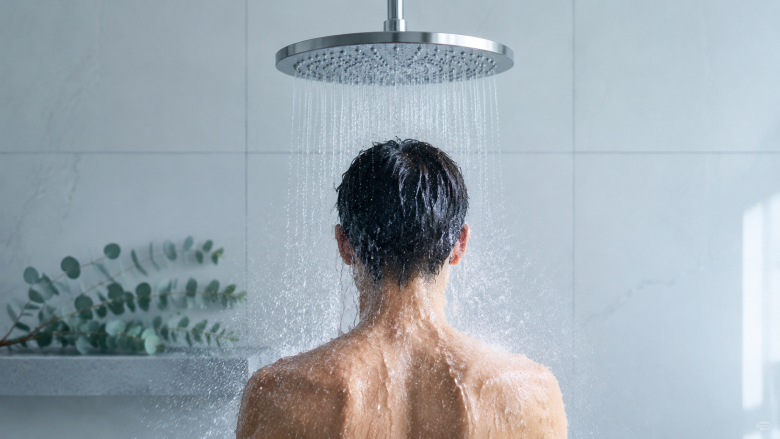
Turn the temperature down to a cool but not freezing level - around 68°F (20°C). Keep the water flowing over your entire body, especially your back and shoulders. You'll feel the immediate shock, but hold for 30 seconds. Focus on your breathing (more on that below).
Step 3: Increase Duration (30-90 seconds)
Over the next week, gradually increase the cold phase to 90 seconds. You can also lower the temperature by 2°F (1°C) every few days. The goal is to find a level that's challenging but not unbearable. If you feel dizzy or excessively uncomfortable, back off.
Step 4: Add Breathing Cadences
Once you're comfortable with 90 seconds of cold, incorporate specific breathing patterns. I recommend the "4-4-6" rhythm: inhale for 4 seconds, hold for 4, exhale for 6. This activates your parasympathetic nervous system and counters the natural gasp reflex. You'll finish your shower feeling alert yet calm.
Breathing Techniques to Master the Shock
The first few seconds of cold water trigger an involuntary gasp. To control this, start breathing before you turn the cold on. Take a few slow, deep breaths, then turn the handle. Exhale fully as the water hits you. This prevents hyperventilation and keeps your heart rate steady.
During the cold phase, maintain a rhythmic pattern. A simple box breathing - 4 seconds in, hold for 4, exhale for 4, hold for 4 - also works well. The key is to keep your exhales longer than your inhales, which signals your body to relax.
Troubleshooting: When Cold Showers Go Wrong
Even with a gradual approach, you might hit snags. Here's how to handle common issues:
- Hyperventilation: If you start breathing too fast, turn the water to warm for a few seconds, then go back. Practice breathing exercises outside the shower first.
- Anxiety spikes: Some people feel a surge of panic. Remind yourself that this is a safe, temporary sensation. Count your breaths or repeat a calming phrase.
- Shivering after: That's normal. Towel off quickly, put on warm clothes, and do a light activity like walking to generate heat.
- Skin reactions: If you have eczema or sensitive skin, cold water can trigger redness. Apply a moisturizer after showering and keep the first sessions short.
If you have a heart condition, high blood pressure, or are pregnant, consult a doctor before trying cold showers. The sudden temperature change can strain your cardiovascular system.
Cold Showers vs. Other Relaxation Techniques
Cold showers are just one tool. If you're exploring stress relief, here are 10 evidence-based methods you can rotate:
- Deep breathing: Slow, diaphragmatic breathing lowers cortisol in minutes.
- Meditation: Even 5 minutes of mindfulness reduces anxiety.
- Progressive muscle relaxation: Tensing and relaxing muscle groups eases physical tension.
- Yoga: Combines movement and breath for a calming effect.
- Tai chi: Gentle flowing movements that improve stress resilience.
- Listening to music: Slow tempo music can lower heart rate.
- Spending time in nature: A walk in a green space reduces rumination.
- Warm baths: Heat relaxes muscles and soothes the mind.
- Mindful eating: Paying attention to food can anchor you in the present. For more, see our guide to mindful eating.
- Mindful walking: A slow, deliberate walk with full awareness. Learn more in our mindful walking tips.
Cold showers stand out because they deliver a rapid physiological shift - you can't stay stressed while shivering - and they build long-term resilience. I recommend alternating cold showers with other techniques to keep your routine fresh.
Special Considerations for Women
Women's stress responses are influenced by hormonal cycles, and cold exposure can affect you differently at various times of the month. If you're premenstrual, you may be more sensitive to cold and experience a stronger cortisol spike. In that case, reduce the cold duration to 30 seconds and focus on gentle breathing. During the follicular phase, you might tolerate colder water better.
If you're pregnant or postpartum, skip cold showers unless your doctor approves - the sudden shock can affect blood pressure and fetal stress. Instead, use other relaxation methods from the list above.
Safety Checklist Before You Start
- Consult a healthcare provider if you have cardiovascular issues, high blood pressure, or a compromised immune system.
- Never take a cold shower when you're under the influence of alcohol or drugs.
- Start with warm water and gradually cool down - don't jump into icy water.
- Keep the first sessions under 60 seconds to avoid overexposure.
- Listen to your body: if you feel faint, nauseated, or excessively short of breath, stop immediately.
The Bottom Line
Cold showers are a powerful, accessible way to relieve stress, but they're not a magic bullet. They require practice and a willingness to embrace discomfort. By following the gradual protocol, mastering your breathing, and respecting your limits, you'll turn a cold blast into a moment of clarity and calm. Give it a week, and you might find yourself looking forward to that morning shock.