I remember one chaotic Tuesday morning a few years back—spilling coffee while checking emails, kids yelling for socks, and my mind already three meetings ahead. I felt like a frayed wire, snapping at the smallest things. Then, on a whim, I paused for just two minutes, closed my eyes, and focused on my breath. That tiny shift turned the rush into something manageable, like flipping a switch from frenzy to flow.
You're not alone if mornings like that sound familiar. Short daily meditation isn't about becoming a zen master overnight; it's about stealing back a few breaths amid the whirlwind. Many folks I've chatted with start here, skeptical but curious, and find it fits right into their real lives—no fancy retreats needed.
In this guide, we'll ease in together: a quick self-check to see if it resonates, your simplest starting point, a blueprint for five minutes that builds habit, ways to tweak it for your world, tips for those wiggly days, and blending it seamlessly into routines. Plus, answers to the questions I hear most. Let's make calm a daily friend, one breath at a time.
Progress over perfection—that's our mantra. I've shared this with neighbors, coworkers, even my sister who's always on the go, and the common thread? Starting small sticks.
If This Sounds Like You
You're juggling work emails and kid pickups with zero 'me time.' Your mind races at bedtime, replaying the day's to-dos. You've tried apps but feel overwhelmed by 20-minute sessions. Low-energy afternoons leave you scrolling instead of recharging.
It's okay if that's your story right now. Many people nod along, feeling that pull between endless tasks and a quiet craving for pause. You're in good company here—we all start somewhere.
Why Short Bursts of Calm Change Everything
Think of it like a friendly chat with a good pal: after just a few minutes, stress eases, shoulders drop, and clarity sneaks in. Science backs the everyday wins—short meditation dials down the body's stress response, sharpening focus for those family dinners or afternoon slumps. I've noticed it myself, especially after my post-coffee ritual; one quick session, and I'm tackling chores without the usual drag.
Gentle encouragement: you don't need hours to feel it. Pairing this with basics like how to stay hydrated throughout your day amplifies the lift, keeping energy steady without crashes. Progress sneaks up, turning frazzled into grounded, one short burst at a time.
Many rediscover joy in small moments, like savoring a walk or listening fully to a friend's story. Isn't that worth two minutes?
Try This First: Your 2-Minute Breath Reset
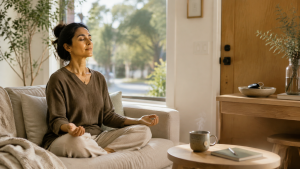
Grab the easiest entry: no apps, no gear, just you and your breath. Find a quiet corner—or even your car during pickup line. Set a timer for two minutes, sit comfy with feet flat, close your eyes softly, and notice your natural inhale and exhale.
When thoughts buzz in (they will!), gently label them—"planning" or "worrying"—and return to breath. It's like waving at a distracted puppy; no judgment, just redirect. Skeptics often light up after: "Whoa, I feel... lighter."
Give it a go right now? Open your palm, breathe deep three times. See? That's your reset button, ready anytime.
Your Everyday 5-Minute Meditation Blueprint
Ready to level up? Here's a simple flow anyone can follow daily—no fluff, just effective steps that build calm like stacking cozy bricks. I've done this post-lunch for years; it clears the fog without stealing time.
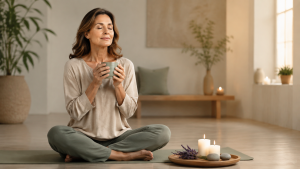
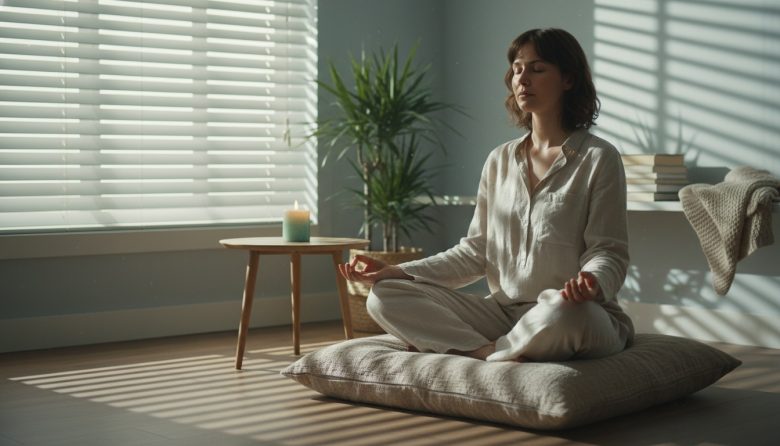
- Step 1: Settle In (1 min) – Sit comfy anywhere, feet flat on the floor, hands relaxed in your lap. Feel your seat supporting you, let shoulders soften away from ears. Tip: If your back complains, prop a pillow—comfort first keeps you coming back.
- Step 2: Anchor Your Breath (2 mins) – Inhale slowly for a count of four, exhale for four. If your mind wanders to grocery lists or grudges, label it softly: "planning" or "wandering," then return. I once caught myself mid-worry about bills; naming it freed me to breathe deeper.
- Step 3: Body Scan Quickie (1 min) – Glide attention from crown of head to toes: forehead smooth? Jaw loose? Belly rising easy? Release tension spots like shaking off a long walk's stiffness. It's a mini-vacation for tight muscles.
- Step 4: Gentle Close (1 min) – Wiggle fingers and toes, stretch lightly, open eyes slowly. Pause to note one good sensation: warm hands, steady breath. Carry that into your next task.
Repeat daily, maybe jot a quick mood note before and after—you'll spot the lift. You're building something real, friend; one session snowballs into habit.
Make It Your Own: Twists for Real Life
Life isn't one-size-fits-all, so tweak freely. Morning folks: try sun-gazing breaths while sipping tea, eyes half-open to dawn light. Desk warriors: weave in chair twists, exhaling desk clutter mentally.
Parents, this shines during chaos—walking breaths on lunch strolls, or bedtime body thanks: "Legs, thanks for carrying me today." For low-energy evenings, lie down with pillow support. Which feels doable for you?
Pick one variation to try tomorrow; small swaps make it yours. I've rotated these with my routine, keeping it fresh like favorite playlists.
Even link it to wellness wins, like hydration tips for staying refreshed all day—a hydrated body meditates smoother, thoughts clearer.
Navigating Wiggly Minds and Busy Days
Racing thoughts? Totally normal—minds wander 47% of the time, studies say. It's like herding cats at first; celebrate each return to breath as a win. Shorten to one minute if needed; quality trumps length.
Skipped a day? No biggie—life happens with sick kids or deadlines. Restart kindly tomorrow; many bounce back stronger, kinder to themselves. Pair with coffee pour: sip first breath, sit second.
Empathy's key: you're training, not performing. Folks I know swear by phone nudges or sticky notes on mirrors. You've got this—wiggles fade with gentle practice.
Blending Calm Into Your Natural Rhythm
Tie it to habits you already own: post-toothbrush pause, kettle boil wait, or pre-dinner unwind. Weekly, note wins—like handling traffic without honks. It weaves in, subtle as favorite socks.
For busier rhythms, stack with meals; a calm bite leads to mindful eating, echoing portion control tips for light meals. Steady spots emerge naturally.
What's one spot in your day for this? Share in comments—we're in it together! Try stacking tomorrow; community cheers make it stick.
Frequently Asked Questions
What if my mind won't stop wandering?
Perfectly normal—it's like training a puppy that chases squirrels. Gently guide back to your breath each time; every return builds focus muscle. Most notice fewer drifts after a few days of kind persistence.
Do I need a special app or cushion?
Nope, keep it free and simple—chair, floor, park bench all work fine. Your breath is the star; apps can add later if you crave guidance. Start bare to own the practice fully.
How soon will I feel benefits?
Many sense calmer reactions after a week of daily dips, like smoother family chats. It builds gradually for some—consistency compounds quietly. Trust the process; small shifts add up big.
Can I do this with kids around?
Absolutely—carpool line breaths or bedtime whispers fit right in. Involve little ones with "puppy breaths" for shared giggles and calm. Turns chaos into connection effortlessly.
What if I forget some days?
No guilt trips—kind restarts keep momentum. Habit-stack with brushing teeth or phone alarms helps most folks stay steady. You're human; gentle returns make the habit lifelong.