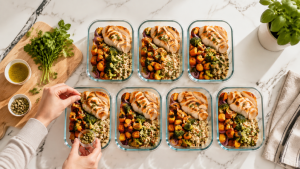
Hey there, I'm Owen Reyes, and let me tell you about the day I finally cracked the code on feeling good with food. It was a Tuesday evening after a long workday, kids running around, and I was reaching for the usual takeout bag. But something shifted—I decided to plate things differently, half veggies, a bit of protein, some grains. Suddenly, I had energy left for bedtime stories instead of crashing on the couch.
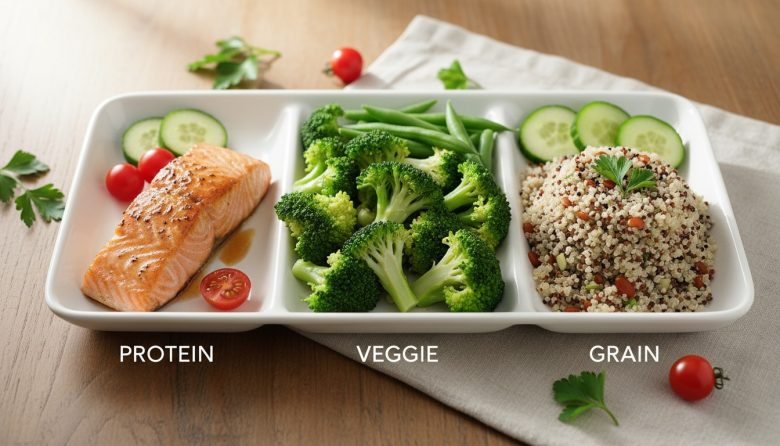
That's the magic of balanced plate meals. It's not about strict diets or fancy recipes. You simply divide your plate: half with colorful veggies or fruits, a quarter with lean proteins like chicken or beans, and the other quarter with whole grains or starchy carbs like quinoa or sweet potatoes. Add a touch of healthy fats, like avocado or nuts, and you're set. No apps needed, just real food that fuels you steadily.
Many folks I talk to feel overwhelmed by "healthy eating," but this method keeps it simple and sustainable. You'll notice better energy, fewer crashes, and even steadier moods over time. In this guide, we'll break it down step-by-step with my own stories, easy starters, swaps, full meal ideas, and tweaks for your life. Stick with me, and you'll see small changes add up big.
Whether you're a busy parent, working long hours, or just tired of afternoon slumps, this is for you. Let's make meals a highlight, not a chore. Ready to plate up some good vibes?
If This Sounds Like You
You grab takeout or skip meals more than you'd like because cooking feels like too much.
Family dinners turn chaotic, with everyone wanting something different and nothing quite nourishing.
By mid-afternoon, you're dragging, reaching for coffee or snacks to power through.
It's okay if past diets left you frustrated—many of us have been there, craving something gentler.
What a Balanced Plate Really Looks Like (No Rules, Just Rhythm)
Imagine your dinner plate as a pie chart come to life. Fill half with veggies or fruits—think leafy greens, broccoli, berries, whatever's vibrant and fresh. This gives fiber and vitamins without weighing you down.
A quarter goes to proteins: eggs, fish, tofu, or lentils. They keep you full and support your muscles. The last quarter? Whole grains like brown rice, oats, or potatoes for steady energy.
Drizzle in healthy fats—olive oil, nuts, or seeds—for flavor and absorption of nutrients. I tried this first during a hectic week; my go-to pasta became veggie-packed zoodles with turkey and a sprinkle of quinoa. No perfection, just rhythm, and I felt lighter by week's end.
You're not alone if it seems tricky at first. Many people start with frozen options or whatever's in the fridge. The key? Color and variety keep it fun and nourishing.
To build that mindful approach, check out the Beginner’s Guide to Short Daily Meditation. It pairs perfectly when you're plating up, helping you tune into what your body craves.
Try This First: Your 10-Minute Starter Plate
Let's kick off with the simplest win: a grilled chicken salad bowl. Grab a big bowl or plate—your canvas. Start with half filled with mixed greens, cherry tomatoes, cucumber slices, and any leftover veggies.
Add a quarter grilled or baked chicken breast, about palm-sized. If no chicken, canned tuna or chickpeas work great. Finish the quarter with cooked quinoa or brown rice—microwave a pouch if you're short on time.
Drizzle olive oil and lemon for fats and zest. Grocery basics: bag of salad mix, cherry tomatoes, cucumber, chicken (fresh or frozen), quinoa pouch, lemon. Prep steps: Chop veggies (3 min), microwave quinoa (2 min), warm chicken (2 min), toss together (3 min). Done in 10!
I made this on a low-energy evening, and it turned things around—no more post-dinner fog. You can do this tonight. It's gentle progress, fueling your best self without overwhelm.
Quick Food Swaps to Balance Any Meal Effortlessly
Swapping doesn't mean overhauling everything. These tweaks turn everyday eats into balanced plates, building confidence one meal at a time. Here's a clear guide to get you started.
| Common Go-To | Balanced Swap | Plate Fill & Why It Helps |
|---|---|---|
| Pizza slice | Veggie-loaded flatbread with grilled chicken strips | Half veggies (peppers, spinach), quarter protein, quarter crust—boosts fiber, cuts grease for steady energy |
| Burger and fries | Turkey patty on greens with baked sweet potato wedges | Half salad base, quarter patty, quarter potato—more nutrients, less fry crash |
| Pasta with sauce | Zucchini noodles with lean beef and whole grain pasta mix | Half zoodles, quarter beef, quarter grains—lighter feel, full satisfaction |
| Cereal breakfast | Oatmeal with berries, nuts, and yogurt | Half fruits, quarter yogurt protein, quarter oats—sustains morning without spikes |
| Sandwich lunch | Wrap with hummus, veggies, turkey, and quinoa side | Half veggies in wrap, quarter turkey, quarter quinoa—portable balance |
| Fried rice takeout | Cauliflower rice with shrimp, peas, brown rice blend | Half cauli/peas, quarter shrimp, quarter rice—tastier, guilt-free comfort |
| Chips and dip | Carrot sticks with bean dip and whole grain crackers | Half carrots, quarter beans, quarter crackers—crunchy snack upgrade |
| Ice cream dessert | Greek yogurt parfait with fruits and nuts | Half fruits, quarter yogurt, quarter nuts—sweet treat that nourishes |
These swaps saved my sanity during family game nights. Pick one, like the pizza twist, and watch how it fits naturally. Over time, they become habits, making every meal more vibrant.
No pressure to do them all. It's about easing in, feeling the difference in your energy.
Real-Life Plates: From Breakfast to Dinner
Breakfast: Start with a smoothie bowl—half blended spinach and berries, quarter Greek yogurt swirled in, quarter oats topped with almonds. I whipped this up before school drop-off; it kept me sharp till lunch.
Lunch on the go: Turkey roll-ups in lettuce leaves, half cucumber and tomato slices, quarter cheese or hummus, quarter whole grain pita. Perfect for workdays—no soggy bread blues.
Dinner family-style: Baked salmon (quarter), roasted broccoli and carrots (half), quinoa pilaf (quarter). Kids loved the crispy veggies; we chatted longer without food comas.
Snack time: Apple halves (half fruit), peanut butter (quarter fat/protein), handful whole grain crackers (quarter). Curbed my 3 p.m. slump beautifully.
These aren't gourmet—they're real life. Adjust portions to your hand size for ease. Many families find joy in plating together.
For that post-meal stretch to aid digestion, the How to Build a 10-Minute Daily Stretching Habit fits right in, keeping your body loose and grateful.
Make It Your Own: Twists for Busy Weeks and Picky Eaters
Vegetarian? Swap proteins to eggs, tempeh, or lentils—same plate rhythm. Budget mode: Canned beans, frozen veggies, rice in bulk keep costs low.
Quick-prep hacks: Sheet-pan bakes—toss chicken, veggies, potatoes, one-pan wonder. Seasonal twist: Summer berries over winter roots for freshness.
Picky eaters? Hide veggies in sauces or roast for caramelized appeal. I did this with my crew; they now request "crunchy trees."
It's okay if not every meal's perfect. Experiment gently—what lights you up? Your plate, your rules.
Pair these meals with a solid start like the Morning Routine for a Feel-Good Day Start to set nourishing intentions early.
Your Next Small Win: Tracking Progress Without Pressure
Want to stick with it? Snap a quick plate photo weekly—no judgment, just notice the colors growing. Rhetorical nudge: How do you feel an hour after eating?
Journal one win per day, like "Nailed the veggie half!" Progress over perfection builds momentum. Many see energy shifts in a week.
You're building a rhythm that lasts. Celebrate the small stuff.
What's one swap or plate you'll try this week? Share it below and tag a friend who needs this nudge—we're in it together.
Got Questions? We've Got You
Do I need fancy ingredients for balanced plates?
No way—stick to basics like frozen veggies, canned beans, or whatever's on sale. Shop your store's perimeter for fresh picks without breaking the bank. Many start with five simple staples and thrive; it's flexible for real life.
What if my family won't eat veggies?
Start sneaky: blend spinach into smoothies or sauces, roast broccoli for crunch. Involve them in picking colors at the store—kids often warm up. Patience pays off; many families shift slowly with fun plating.
Can I do this for weight loss?
Absolutely, it supports steady energy and fullness without scales obsession. Focus on how clothes fit or daily vitality. Progress over perfection—bodies respond to consistent nourishment.
How much does this cost extra?
Often less: bulk grains, seasonal produce, fewer processed snacks save money long-term. Hunt sales or farmers' markets for deals. You're investing in feeling your best affordably.
What if I slip up?
It happens to everyone, me included after tough days. Just plate balanced next time—no guilt, fresh start. Grace keeps you going stronger.