I remember those nights when I'd lie in bed, staring at the ceiling after a long day of meetings and family chaos. My mind raced with tomorrow's to-do list, and sleep felt like a distant dream. You're not alone—studies show over 70 million Americans struggle with sleep issues, tossing and turning despite exhaustion.
The good news? Small evening tweaks can reset your body's natural rhythm without overhauling your life. I've seen it work for me and friends who thought better rest was impossible. These steps focus on winding down gently, helping melatonin flow and inviting deeper sleep.
Many of us chase rest with big changes, but progress starts with noticing patterns. Let's check if evenings are quietly stealing your shut-eye. Ready to reclaim those peaceful nights?
Tossing and Turning Nights? If This Sounds Like You
You're scrolling social media late, just to unwind, but the blue light keeps you wired. Family dinners stretch on, squeezing out any quiet time before bed.
Work emails ping until 10 p.m., leaving stress buzzing in your head. Or you wake up groggy after "eight hours," wondering why energy never sticks.
Many people share these moments—it's okay if low-energy days follow. Recognizing them is your first gentle step forward. Sound familiar?
Why Simple Evening Shifts Unlock Deeper Rest
Your body thrives on a circadian rhythm, that inner clock signaling rest as daylight fades. Evening habits like dim lights and calm rituals boost melatonin, the sleep hormone we all need. I've noticed when I skip them, mornings drag; with them, I wake refreshed.
These shifts aren't magic—they build consistency for better focus and mood. Pairing them with a simple daily routine to boost your mood amplifies the calm all day. Friends report fewer headaches and more patience with kids.
It's realistic progress, not perfection. Your evenings set the stage for restorative sleep. Let's explore how.
Try This First: Your 2-Minute Screen Curfew
Start here—it's the easiest win. An hour before bed, set a phone timer for two minutes: close apps, dim brightness, and place devices face-down in another room. This quick unplug cuts blue light that tricks your brain into daytime mode.
I began this on hectic weeks, and it shaved 30 minutes off my fall-asleep time. No more midnight doom-scrolling regrets. You'll feel the shift immediately, eyes relaxing as tension eases.
Many find it surprisingly freeing. Try tonight—what's stopping that first curfew? It snowballs into fuller routines.
Five Gentle Evening Steps to Drift Off Easier
Here's a realistic sequence many find transformative—start with one or two. Do them in order, about 60-90 minutes before bed. Adapt as needed for your flow.
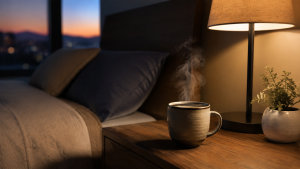
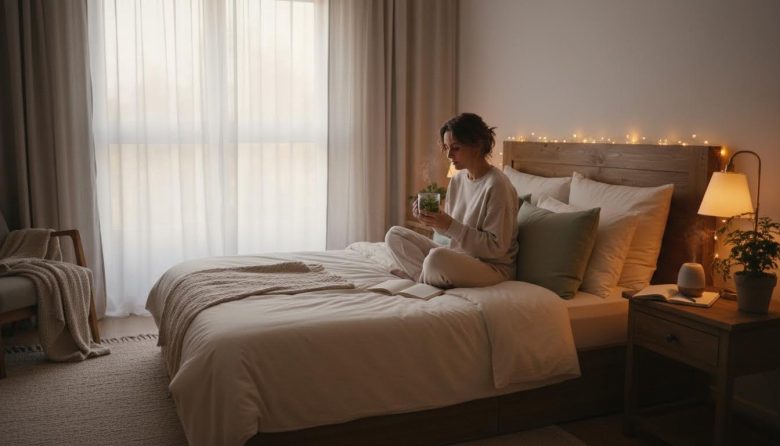
- Set a soft lights-down hour. Around 9 p.m., switch to lamps or candles—harsh overheads signal "stay awake." I dim mine post-dinner; it cues my body to slow. Pair with a cozy blanket for that instant nestle-in feel.
- Herbal sip and journal jot. Brew a caffeine-free tea like chamomile—check out how to prep energizing herbal teas daily for easy recipes. Spend two minutes noting three wins from your day. This offloads mental clutter, like it did for me after tough workdays.
- Gentle stretch or breathwork. Try a 5-minute routine: child's pose or deep belly breaths. For guidance, a beginner guide to short daily meditation fits perfectly here. It melts shoulder knots from desk hours, inviting calm.
- Cozy space tidy. Fluff pillows, spritz lavender on sheets, clear nightstand clutter. A serene bedroom whispers "rest now." My quick five-minute version transformed chaotic spaces into havens.
- Gratitude close-out. Whisper or write three things you're thankful for, maybe a loved one's laugh. It shifts focus from worries. Evenings ending this way leave me smiling into sleep.
Make It Your Own: Tweaks for Busy Nights
Parents, sync with kid bedtime—read a story together as your wind-down. It bonds and eases everyone into rest. Travelers, pack a "sleep kit": eye mask, earplugs, travel journal.
Prefer audio? Swap journaling for a soothing podcast episode. Low-energy days? Shorten stretches to seated versions. It's about what feels right for you.
Many tweak over time, finding their groove. You're building a personal ritual. What variation calls to you?
Sneaky Sleep Saboteurs to Sidestep After Dinner
That post-meal coffee? It lingers six hours, revving your system. Swap for decaf or warm milk. Heavy, spicy dinners sit heavy—opt for lighter fare like veggies and lean protein.
Late workouts energize too much; shift to mornings. Alcohol might drowsy you initially but fragments sleep later. It's normal to slip—progress counts over perfection.
Gentle swaps add up. Notice what steals your rest, then nudge it aside.
Your Refreshed Morning Awaits
Imagine waking energized, ready for the day without groggy fog. These evenings pave that path. What's one step you'll try tonight? Share below and tag a friend who needs this rest boost.
FAQs: Your Evening Sleep Questions Answered
Can I still enjoy evening TV with these steps?
Absolutely—many do, with smart tweaks. Dim the room, wear blue-light glasses, and cap at 30 minutes post-curfew start. Switch to audio descriptions or podcasts if eyes strain; it keeps the unwind without the wire.
What if I work late shifts?
Flex the routine to your "evening," even at 2 a.m. Dim lights upon home arrival, sip tea, journal quickly. Blackout curtains help mimic night. Consistency matters more than clock time—you'll adapt and rest deeper.
How soon will I notice better sleep?
Some feel calmer nights in 3-5 days; fuller benefits like steady energy take 1-2 weeks. Track moods in your journal—small wins build. Be patient; bodies love steady habits.
Is it okay to nap in the evening?
Short 20-minute power naps before 3 p.m. can refresh without harm. Avoid longer or later ones—they steal night sleep. If needed, use breathwork instead for that reset.
What about supplements for sleep?
Holistic steps first, as they build lasting habits. Melatonin or magnesium might help short-term, but chat with a doctor—especially with meds. Food sources like bananas or almonds offer gentle support too.